South Africa’s social welfare system is a global model for protecting the vulnerable, and at the heart of this system lies the SRD (Social Relief of Distress) grant. Originally introduced as a temporary measure during the global pandemic, the SRD grant has evolved into a permanent fixture of the South African economy, providing a critical lifeline to millions of unemployed citizens.
In this 3000-word definitive guide, we will explore every technical detail, application nuance, and troubleshooting step related to the SRD grant.
What is the SRD Grant?
The Social Relief of Distress (SRD) grant, famously known as the “R350 grant,” is a financial assistance program managed by the South African Social Security Agency (SASSA). It was specifically created to target a previously “missing middle” in the social security net: adults aged 18 to 59 who are unemployed, have no income, and do not receive any other form of government support.
Unlike the Older Person’s Grant or the Disability Grant, the SRD is a month-to-month assessment. This means that being approved for one month does not guarantee approval for the next; SASSA’s systems re-evaluate your financial status every 30 days.
Read More: SASSA and Social Grants in South Africa (2026 Edition)
Why the SRD Grant is a Game-Changer
The SRD grant is more than just a payment; it is an economic stabilizer.
- Immediate Relief: It targets “material need,” meaning it’s designed for those who cannot afford basic food.
- Digital Innovation: The SRD process is South Africa’s first fully digital government service, removing the need for physical queues in many cases.
- Broad Reach: It currently supports over 8 million people monthly, injecting billions of Rands into the local informal economy (Spaza shops and local markets).
Who Qualifies for SRD? (Eligibility Criteria)
The eligibility for SRD is strict to ensure that the funds reach those who truly have zero income.
Age and Residency
- You must be between 18 and 59 years old. Once you turn 60, you transition to the Older Persons’ Grant.
- You must be a South African citizen, a Permanent Resident, or a Refugee/Asylum Seeker with a valid permit.
The Income Threshold (The R624 Rule)
The most critical part of the SRD qualification is the income threshold. As of 2026, the threshold is set at R624. If SASSA detects any inflow of money into your bank account that exceeds this amount in a single month, your status will be automatically declined.
Exclusionary Factors
You will NOT qualify for SRD if:
- You receive a stipend from NSFAS.
- You are receiving UIF (Unemployment Insurance Fund) payments.
- You are already receiving another SASSA grant (e.g., Child Support Grant for yourself).
- You are a resident in a government-funded institution (like a prison or state-funded old age home).
How to Apply for the SRD Grant
SASSA has made the SRD application process accessible through multiple digital channels.
1. The Official SRD Website
This is the most reliable method. Visit srd.sassa.gov.za and follow the prompts for “New Applicant.”
2. WhatsApp Channel
You can apply via WhatsApp by messaging 082 046 8553. This method is popular because it uses very little data.
3. The SASSA Chatbot
Available on the main website, the chatbot can guide you through the initial registration phase.
Understanding the SRD Status Check Process
Conducting an SRD status check is the most frequent activity for beneficiaries. Because the grant is evaluated monthly, you must check your status every month to see if you have been approved.
Step-by-Step Status Check
- Navigate to the SRD website.
- Scroll to the bottom to find the “Application Status” section.
- Click on “Click here to check online.”
- Enter your ID Number and the Cell Phone Number used during the application.
- Review the monthly breakdown.
Decoding SRD Status Codes
If you’ve done an SRD status check, you might see several confusing terms. Here is what they actually mean:
- PENDING: Your application is in the queue. SASSA is waiting for verification from the Department of Home Affairs or banks.
- APPROVED: Good news! Your application met the criteria. Now, wait for a “Pay Date” to appear.
- DECLINED: You did not meet the criteria for that specific month.
- REFERRED: SASSA suspects your ID or phone number has been compromised or used for fraudulent activities. You may need to verify your identity via a biometric link.
- CANCELLED: The application has been terminated, often at the request of the user or due to long-term ineligibility.
Common Reasons for SRD Decline
Many users get frustrated when their SRD status shows “Declined.” The most common reasons are:
- Alternative Income Identified: This happens if you received a bank transfer from a friend or family member that exceeded the R624 limit.
- UIF Registered: The system found your ID in the Department of Labour’s database.
- NSFAS Registered: You are flagged as a student receiving a government bursary.
- Identity Verification Failed: Your names do not match the records at Home Affairs.
Read More: Best Sassa Status Check: All You Need to Know About Grant Approval
The SRD Appeals Process
If you are declined, you have the right to lodge an SRD appeal. However, do not appeal to SASSA directly. Appeals are handled by the Independent Tribunal for Social Assistance Appeals (ITSAA).
- Timeline: You must appeal within 30 to 90 days of receiving a “Declined” status.
- Monthly Requirement: You must lodge a separate appeal for every single month you were declined.
- Website: Visit
itpsea.d sd.gov.zato lodge your appeal.
Banking and Payments for SRD
To avoid long queues at retail stores, SASSA strongly encourages using a Personal Bank Account.
How to Update Banking Details
- Go to the SRD website.
- Select “How do I change my banking details?”
- Enter your ID number.
- You will receive an SMS with a secure link. Click it and enter your new bank name, account number, and branch code.
Note: The bank account MUST be in your name. You cannot use a friend’s account.
SRD and the “Gold Card”
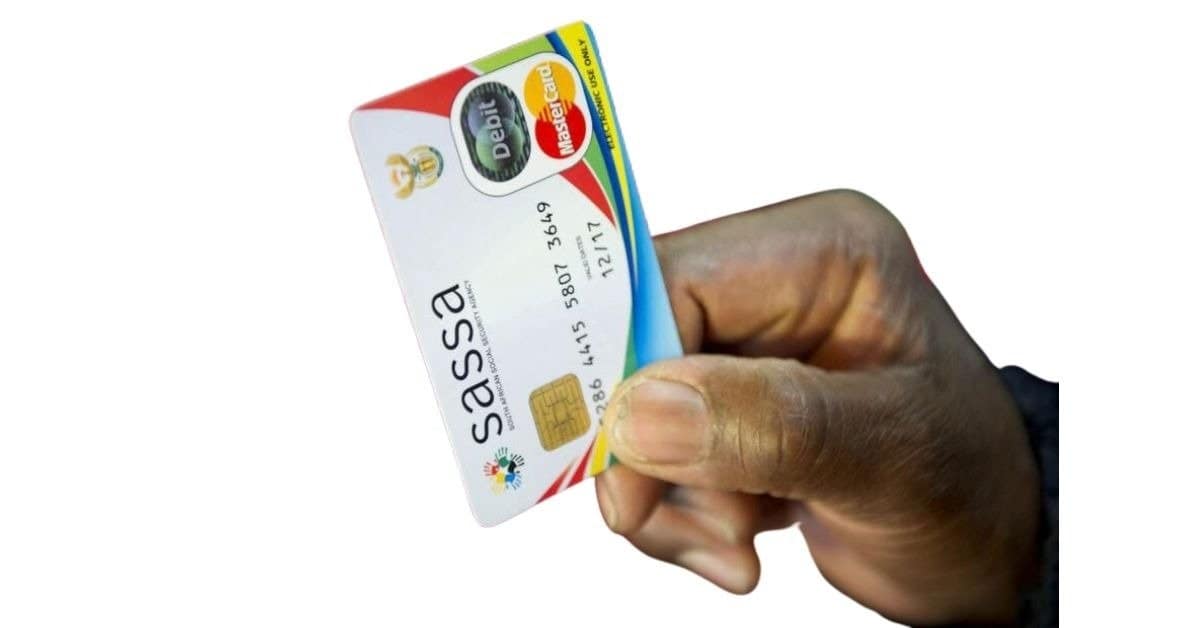
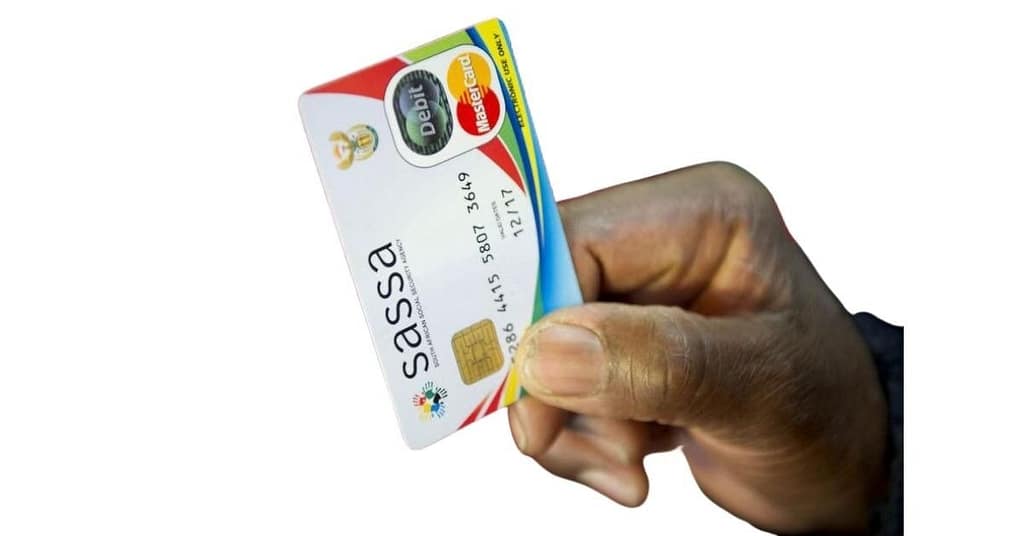
While many use bank accounts, others rely on the SASSA Gold Card.
- You can withdraw your SRD funds at Boxer, Pick’n Pay, Shoprite, Checkers, and USave.
- Always bring your original ID and the phone with the registered SIM card to the store.
Security and Fraud Prevention
The SRD system is a target for scammers.
- Never share your OTP: SASSA will never ask for your OTP over a phone call.
- Identity Theft: If someone applied for SRD using your ID, you must report it to the SASSA fraud line immediately.
- SIM Swaps: If you lose your SIM card, update your phone number on the SASSA system immediately, or you will lose access to your grant.
The Future: From SRD to Basic Income Grant (BIG)
As of 2026, there is intense debate in the South African Parliament about transitioning the SRD grant into a permanent Basic Income Grant (BIG).
- The Goal: To increase the R350 amount to match the “Food Poverty Line.”
- The Challenge: Finding the tax revenue to support 10 million+ beneficiaries permanently.
Conclusion:
The SRD grant is more than just a monthly payment; it is a vital safety net that preserves the dignity of millions of South Africans facing economic hardship. Throughout this guide, we have explored the critical steps of the application process, the importance of regular SRD status checks, and the necessity of keeping your banking details to ensure seamless payments.
As we look toward 2027, the potential transition of the R350 grant into a permanent Basic Income Grant remains a beacon of hope for long-term poverty alleviation. For now, staying informed and proactive, especially regarding appeals and eligibility rules, is the best way to secure your benefits. By utilizing the digital tools provided by SASSA, you can navigate the system with confidence. Remember and stay vigilant against scams. Your right to social assistance is protected; make sure you follow the correct procedures to claim it.
FAQS
1. SRD grant ke liye apply karne ki aakhri tareek kya hai?
South African government ne SRD grant ko March 2027 tak extend kar diya hai. Aap is muddat ke khatam hone tak kisi bhi waqt apply kar sakte hain agar aap eligibility criteria par poora utarte hain.
2. Kya main SRD status check phone ke baghair kar sakta hoon?
Ji haan, aap kisi bhi internet-enabled device (laptop ya tablet) se official website srd.sassa.gov.za par ja kar apna status check kar sakte hain. Aapko sirf apna ID number aur wahi mobile number chahiye hoga jo registration ke waqt diya tha.
3. “Alternative Income Identified” ka kya matlab hai?
Iska matlab hai ke SASSA ne aapke bank account mein R624 se zyada ki raqam payi hai. Chahe wo raqam kisi dost ne bheji ho ya kisi chote kaam ki ujrat ho, agar wo limit se zyada hai to aapka status decline ho jayega.
4. Kya SRD grant lene ke liye South African citizen hona zaroori hai?
Sirf citizens hi nahi balkay Permanent Residents, Refugees, Asylum Seekers, aur khas permits (jaise ZEP) rakhne wale log bhi qualify karte hain, bashart-e-ke unka data Home Affairs mein registered ho.
5. Mera status ‘Approved’ hai magar Pay Date nahi aa rahi, kyun?
Approved status ka matlab hai ke aap qualify kar gaye hain. Pay Date aane mein kuch din lag sakte hain kyunke SASSA payments batches mein release karta hai. Iska ta’alluq bank ke verification process se bhi hota hai.
6. Kya main apna SRD mobile number change kar sakta hoon?
Ji haan, agar aapka purana SIM kho gaya hai to aap SRD website par “Change Mobile Number” ka option select kar sakte hain. Iske liye aapko security questions ke jawab dene honge taake aapki identity verify ho sake.






 Maximize Your Local Market Share: The Ultimate Guide to Local SEO Services by Garage2Global