
Introduction
Rising tensions between Israel and Iran have once again placed the Middle East at the center of global concern. With direct strikes, proxy involvement, and sharp diplomatic rhetoric dominating headlines, many analysts and social media users are asking a serious question: Could this conflict spiral into World War 3?
The phrase “World War 3” has surged in global search trends, reflecting widespread anxiety about escalation. But is the fear justified, or are we witnessing another intense yet regionally contained confrontation?
This article provides a structured geopolitical analysis of the Israel–Iran conflict, escalation risks, global alliances, economic implications, and the real probability of a broader world war in 2026.
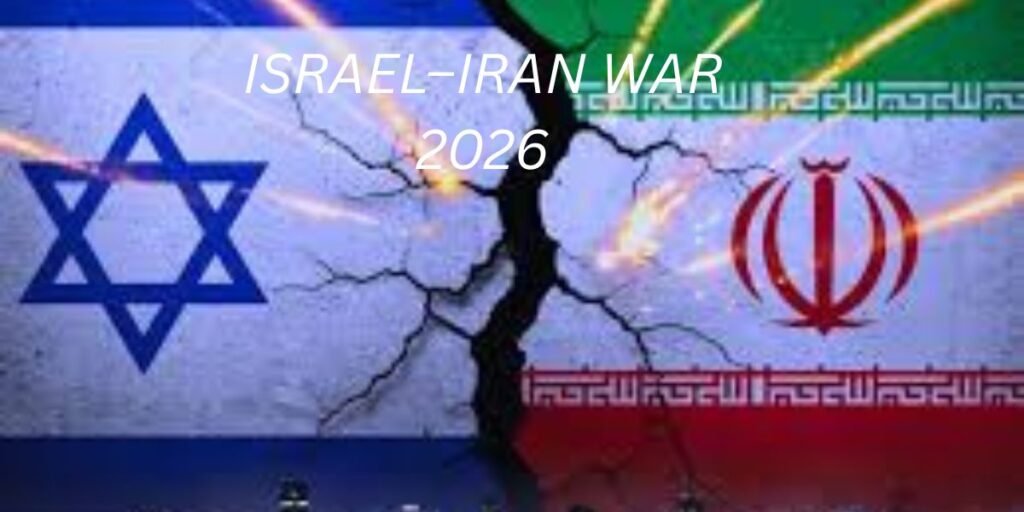
Historical Roots of the Israel–Iran Rivalry
To understand today’s tensions, we must examine the long-standing hostility between Israel and Iran.
1. Ideological Opposition
Since the 1979 Islamic Revolution, Iran’s leadership has maintained a strong anti-Israel stance, refusing to recognize the state and supporting groups that oppose it.
2. Proxy Warfare Strategy
Rather than engaging in consistent direct warfare, Iran has relied on regional proxies, including:
- Hezbollah in Lebanon
- Hamas in Gaza
- Various militia groups in Syria and Iraq
Israel, in turn, has conducted airstrikes targeting Iranian military infrastructure in Syria and alleged weapons transfers.
3. The Nuclear Factor
Israel views Iran’s nuclear ambitions as an existential threat. Although Iran claims its program is peaceful, Israeli leadership has repeatedly stated it will not allow Iran to acquire nuclear weapons capability.
This nuclear dimension dramatically raises global stakes.
What Triggered the Current Escalation?
Recent developments have shifted the conflict from shadow warfare toward open confrontation:
- Direct military strikes attributed to Israel targeting Iranian strategic assets.
- Retaliatory missile and drone attacks launched by Iran.
- Heightened rhetoric from both governments.
- Increased mobilization of regional allies.
Unlike previous skirmishes, the current confrontation appears more overt, reducing the buffer that previously kept tensions below full-scale war.
Why Some Analysts Fear World War 3
The concern about WW3 is not purely sensationalism. Several structural factors increase escalation risk.
1. Major Power Involvement
Israel maintains strong strategic ties with the United States, which provides military aid and diplomatic backing.
Meanwhile, Iran maintains closer relations with:
- Russia
- China
If a direct Israel–Iran war pulls in these global powers, the conflict could widen beyond regional boundaries.
2. NATO and Global Alliances
Should escalation threaten Israeli territory or regional stability, Western alliances could face pressure to respond. Conversely, Russia or China might increase military or logistical support to Iran.
The involvement of competing superpowers is historically what transforms regional wars into world wars.
3. Strait of Hormuz Risk
The Strait of Hormuz is one of the most critical oil transit routes globally.
If Iran were to restrict or disrupt passage through this strait:
- Global oil prices would spike.
- Energy-dependent economies would suffer.
- Naval forces from multiple countries could intervene.
Energy security has historically been a catalyst for broader conflict.
Why World War 3 Is Not Inevitable
Despite alarming headlines, several counterarguments suggest WW3 is unlikely.
1. Nuclear Deterrence
Both sides understand that full escalation risks devastating retaliation. Nuclear deterrence creates a powerful disincentive for direct global war.
2. Economic Interdependence
Major powers are deeply interconnected economically. A global war would trigger:
- Financial market collapse
- Severe trade disruptions
- Energy crises
- Domestic political instability
Most governments prioritize economic stability over open confrontation.
3. Diplomatic Backchannels
Even during high tensions, countries maintain diplomatic communication channels. Crisis management mechanisms often operate behind the scenes to prevent miscalculation.
Global Economic Impact So Far
Even without becoming World War 3, the Israel–Iran conflict already has measurable global effects:
Oil and Energy Markets
- Oil prices experience volatility.
- Investors shift toward safe-haven assets like gold.
- Energy-importing nations face inflation pressure.
Financial Markets
- Stock markets react sharply to escalation news.
- Defense sector stocks typically rise.
- Risk-sensitive currencies weaken.
Supply Chain Risks
- Shipping insurance premiums increase.
- Regional airspace closures disrupt international flights.
- Global logistics costs climb.
This demonstrates how regional conflicts can have worldwide economic consequences without becoming a world war.
Could Proxy Escalation Be the Real Danger?
Instead of direct superpower confrontation, the more realistic risk is expanded proxy warfare.
If Hezbollah intensifies attacks from Lebanon while Iranian-backed militias operate in Iraq or Syria, Israel may face multi-front pressure. This could prompt broader retaliatory campaigns, increasing civilian and infrastructure damage.
However, even proxy escalation does not automatically equate to global war.
Media, Social Media, and the “WW3” Narrative
The term “World War 3” often trends rapidly due to:
- Social media amplification
- Sensational headlines
- Viral misinformation
- Emotional public reaction
Historically, many regional wars have triggered WW3 speculation without resulting in global conflict.
Public anxiety does not necessarily reflect strategic reality.
Scenarios That Could Trigger World War 3
While unlikely, escalation could accelerate under specific conditions:
- Direct military confrontation between the United States and Iran.
- Russian or Chinese military deployment in defense of Iran.
- Closure of the Strait of Hormuz leading to multinational naval conflict.
- A major miscalculation or accidental strike causing mass casualties.
These are worst-case scenarios — possible, but not currently inevitable.
Strategic Outlook for 2026
The most probable outcome remains:
- Continued limited strikes.
- Proxy confrontations.
- Diplomatic pressure and sanctions.
- Contained regional instability.
Major global powers historically prefer strategic competition over uncontrolled global warfare.
The Israel–Iran conflict is serious and volatile, but structural deterrents make full-scale World War 3 improbable under present conditions.
Conclusion
The Israel–Iran war has intensified geopolitical tensions and reignited global fears of World War 3. However, while escalation risks exist — particularly involving alliances and energy security — a global war remains unlikely in 2026 unless major powers directly intervene.
History shows that regional conflicts can appear on the brink of world war without crossing that threshold.
The situation demands careful monitoring, diplomatic engagement, and strategic restraint — not panic.